By a strange and roundabout route, I’ve found myself managing most of the communications outputs for the Working for Waders project. I’ve written about this role before on Bog Myrtle and Peat, not least because it puts me in the firing line for people who don’t like the project. Like any collaborative attempt to find the middle ground, Working for Waders has made enemies at both ends of the spectrum. That’s disappointing, but while I’d like everybody to come along as part of this process, it’s possible that some people are too entrenched to ever make a leap for something new.
Acting anonymously as “Working for Waders” on social media, I’ve sometimes posted articles and links about predator control – or the project’s association with gamekeepers. These associations are intolerable to some people who thereafter dismiss any output from Working for Waders as poisonously biased. Of course predator control is a particular bone of contention, and it often serves as a flashpoint when it comes to wader conservation. Mention it and people will call you inhumane and barbaric to even dream of killing a predator. But fail to mention it and you’re blasted by noisy individuals in the shooting community who are out to prove a point. I sit in the middle, dodging the clods.
Of course this all comes with a long back-story, and shooting folk are well accustomed to fighting their corner. I’ve fought in that corner for almost twenty years, and I know what’s like. But it now seems like there are some noisy folk who have forgotten what progress looks like, and are so dead-set on “scoring points” on a battle-by-battle basis that they’ve forgotten why we’re fighting the war.
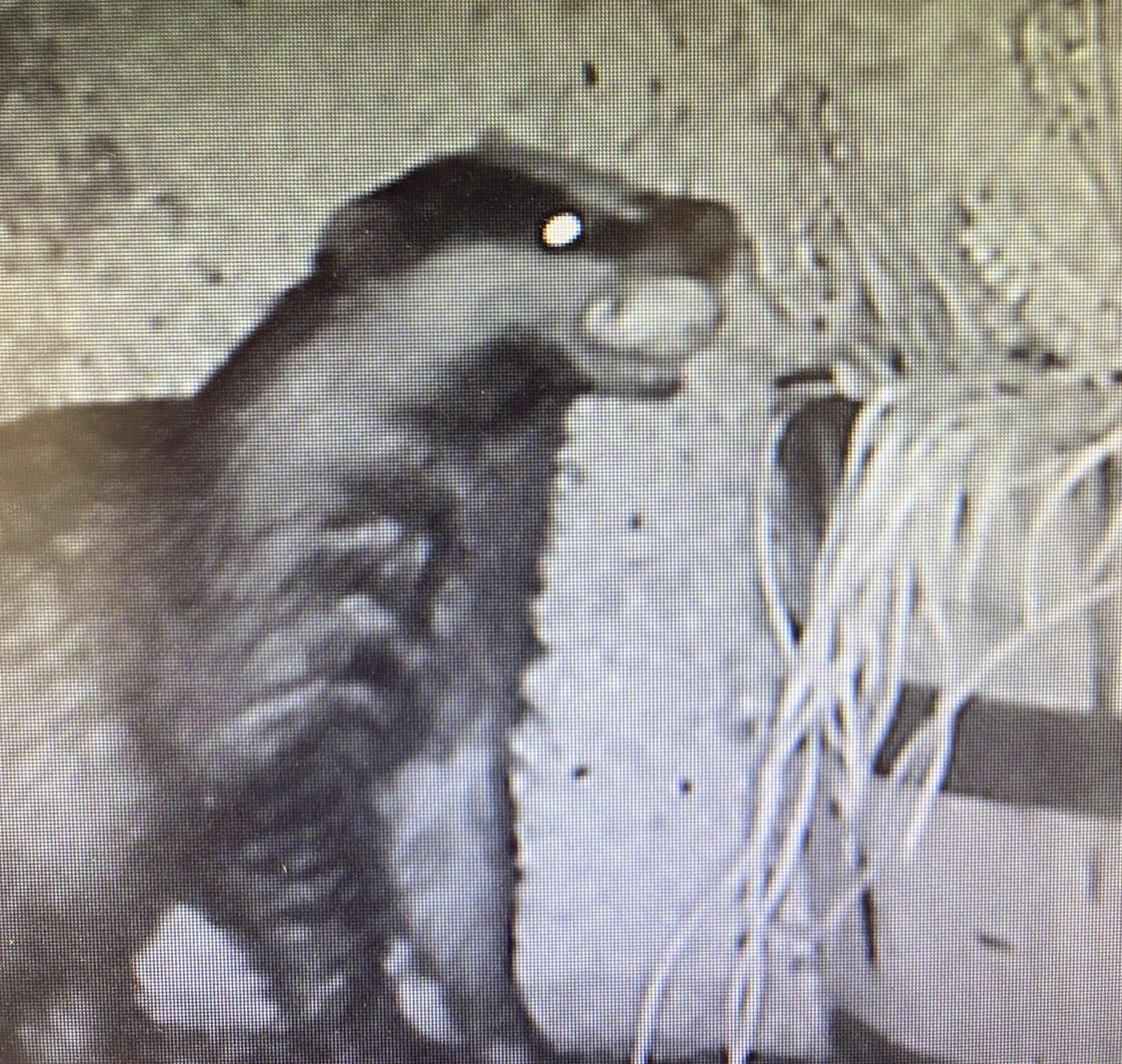
I’ve been concerned about badger predation on lapwings for several years. Over the last eighteen months, Working for Waders has uncovered a fair amount of evidence to confirm my fears. I thought this would be great news for people like me who have often complained that we lack hard evidence of badger predation. However, when we have publicised footage of badgers eating wader eggs, the first (and by far the most aggressive) responses come from people who dislike badgers. They’re livid, not because badgers are raiding wader nests but because they claim to have been saying this for years. The cry is not “finally, hard evidence!”, but a much less constructive (and often almost snarky) “I told you so!”
It’s turns out that people who don’t believe that badgers are an issue for wading birds simply ignore our findings. They just don’t want to know. So it’s weird that the only serious backlash has come from people who are being vindicated, and it worries me that there’s so much “I told you so” that we’re missing an opportunity to do something about it. It turns out that badger predation is really complicated. Badgers aren’t systematically destroying wader nests like I thought they were, and it seems like there are a number of different factors at play. I really hope we’re ready for this level of nuance, but I don’t think we are.
It’s quite possible that badger predation is worse in some years than others, and weather conditions may be an extremely important factor in dictating a badger’s choice of food. It’s also clear that getting any kind of licence to manage badger impacts is going to be extremely difficult. Lethal control is going to be a very distant last resort, and it makes sense that our first responsibility should be to explore non-lethal options. I’m horrified to find that we don’t know much about badger predation on waders. In general terms, the data just didn’t exist until we started gathering it, and there’s no way things will change or improve until we get more. That’s going to take time, and I agree that wader declines are a pressingly urgent concern. It’s frustrating, but I’m afraid it’s the only way to lock horns with a difficult issue. In the meantime, continually demanding the right to cull badgers is so unrealistic that it’s starting to sound daft.
Under the guise of Working for Waders, I have to say that being attacked by “my own side” has been really unpleasant. I’ve had to grow a thick skin and focus on reaching a range of different audiences with a variety of perspectives. That’s the hardest part, because there’s no doubt that waders do very well on managed moorland and shooting estates. It’s clear that wading birds are a good news story associated with gamekeepers, and it’s only fair that shooting organisations want to claim some of the credit for this. But Working for Waders was not set up to give people credit for getting it right. Instead, it’s more important that we should work with people who are getting it wrong, many of whom have never given wading birds a single moment’s thought. That’s where we’ve seen the best progress so far, particularly when we’ve been able to bring gamekeepers and land managers in to share and showcase their own examples of best practice conservation.
When Working for Waders shares information about predation and wading birds on social media, the number of declamatory comments often spins through the roof. Many of these are shared privately or concealed so we can’t even see them or respond, and we often find them only by accident. That’s weird and unnerving, particularly when it’s clear that some of our worst critics have never even engaged with us or said hello. From the perspective of a lifelong shooter and former gamekeeper, it’s really not a good look for our community. I know that social media is bad for amplifying negativity and polarising nuance, but I’d be very sorry if shooting folk went on to cast themselves as sulky, aggressive and self righteous.
This is an exciting, dynamic time for conservation and wildlife management in Scotland – against a backdrop of loss and decline, there’s plenty to feel optimistic about – particularly if we can park our short-term desire for triumphalism, point-scoring and social media warfare.
Picture above: Badger steals oystercatcher egg from a planter outside a golf club in Aberdeenshire, June 2022 (L. Janniche)


 Bog Myrtle & Peat
Leave a reply to bitofanactor Cancel reply