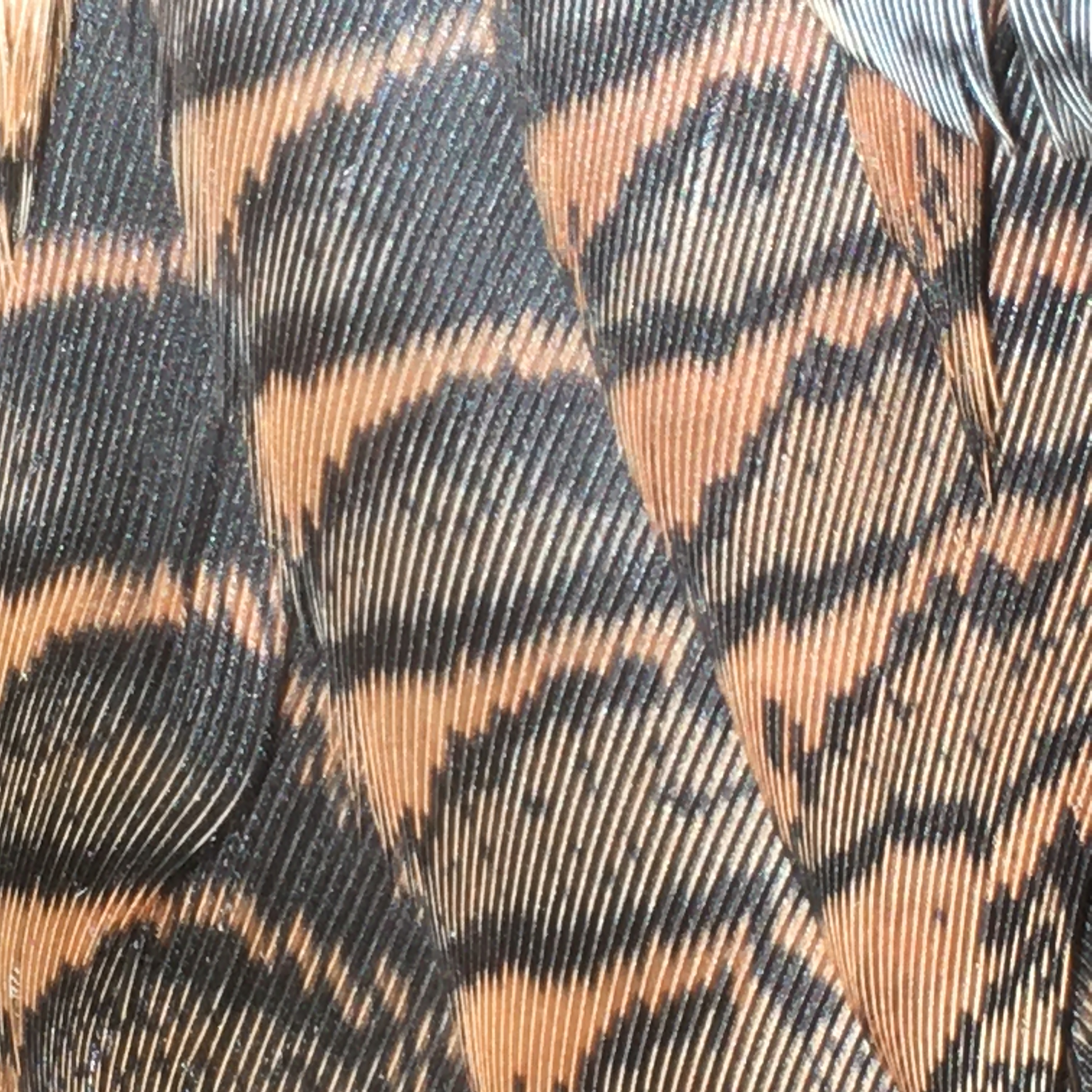
I went out west to shoot woodcock; out beyond Innermessan to the edge of Galloway. Then shoving up through birch trees and bracken banks, I followed the dog and came upon a view of the sea below me. There was Antrim and the Mull of Kintyre, with boats ploughing ruts into the flat black water of the Clyde.
People clattered through the woods around me, crackling twigs and laughing at their dogs and the state of a bright December day. I drew breath at the view and a woodcock flared in the brambles near my feet. I watched it rise and turn back over the guns, and somebody killed it when it was gone. I heard a dog being praised for the retrieve, and there was laughter again at some comment recalled from earlier at how the dog would always look you in the eye when it shat.
They were Wigtownshire folk; a mix of farmers and neighbours. I was the outsider, but there was no less warmth for being strange. When we stopped for a break, a girl asked me where I came from. I said “Dalbeattie”, and she shrugged as if she’d never heard of it. She said “you sound posh”, but it was a statement without judgement or accusation. I wondered if I could ever master the kind of accent I’d need to pass without comment here. Her “glen” was “glayin”; her “black” was “blake”, and maybe that’s no surprise when the nearest decent pub’s in Belfast. I was born and brought up in Galloway, but the west is another country.
Then more birds rose and the tide turned and a creel boat passed up the loch to the open sea. We beat the whinns and pushed snipe into the breeze where they hung like larks above the sun. Two fell, and a party of stags recoiled from the sound of shooting. They hurried out from the alders, and they only paused to look back when they’d run for a quarter mile. We stopped and gazed at their bodies on the horizon towards Glenapp; cream and dun and cloudless blue.
And hares flared away from the dogs. They raced for the gateways, turning their ears like shoe tongues to better hear behind them. I don’t like to see hares killed, but it can be fine to find them hanging with other game at the end of a cold day. Their upended bodies roil in steam and torchlight; tentative tongues emerge behind their teeth like fingertips.
I had killed a woodcock and a snipe by lunchtime. I carried the birds in a bag on my back with a flask and wrap of sandwiches. Older people say there is a softening which comes with age; that the desire to shoot hard will decline in later life. I’ll confess that I’m less interested in killing woodcock nowadays, but my shot was good and strong and I worked for it. And perhaps I push against that softening out of stubbornness too. I’ve often taken it badly when grey-haired guns patronise me with the prediction that I’ll soon grow out of my pleasure. I can’t bear the thought that they might be right – and besides, I half suspect that many of those who claim to have forsworn woodcock on the grounds of seniority are simply too idle to invest the legwork.
But anyhow, the choice to stop may not be my own. People say that woodcock should be given legal protection, and I can understand the arguments which drive towards that conclusion. If I was pressed to defend this kind of shooting, I’d say that a day like this can be more than mere killing. Woodcock navigate by the stars; they go unseen by all by a tiny cadre of careful observers; chasing them is an observance of ritual; a nod towards moonlight and witchcraft; a tone of engagement which far exceeds the clumsy blat of gunpowder. It’s bigger and more vital than death alone, but you’ll never win an argument with that kind of language. And it’s clear that nature has begun to shrink before us; we’re crowding out this tiny island, and it’s inevitable that we should be forced to compromise and accept that some of the old ways will have to go. We can’t be the people we used to be, so I clutch at these valuable days with desperate clarity. They’re surely numbered.
Dogs run in the lowering sun, and birds rise up before them.


 Bog Myrtle & Peat
Leave a reply to michellewerrettruralwriting Cancel reply