Adders basked in the shelter of old stones, and the land trembled with heat. Lambs slept in the neighbour’s fields, sprawled with their eyes closed and panting as they grew.
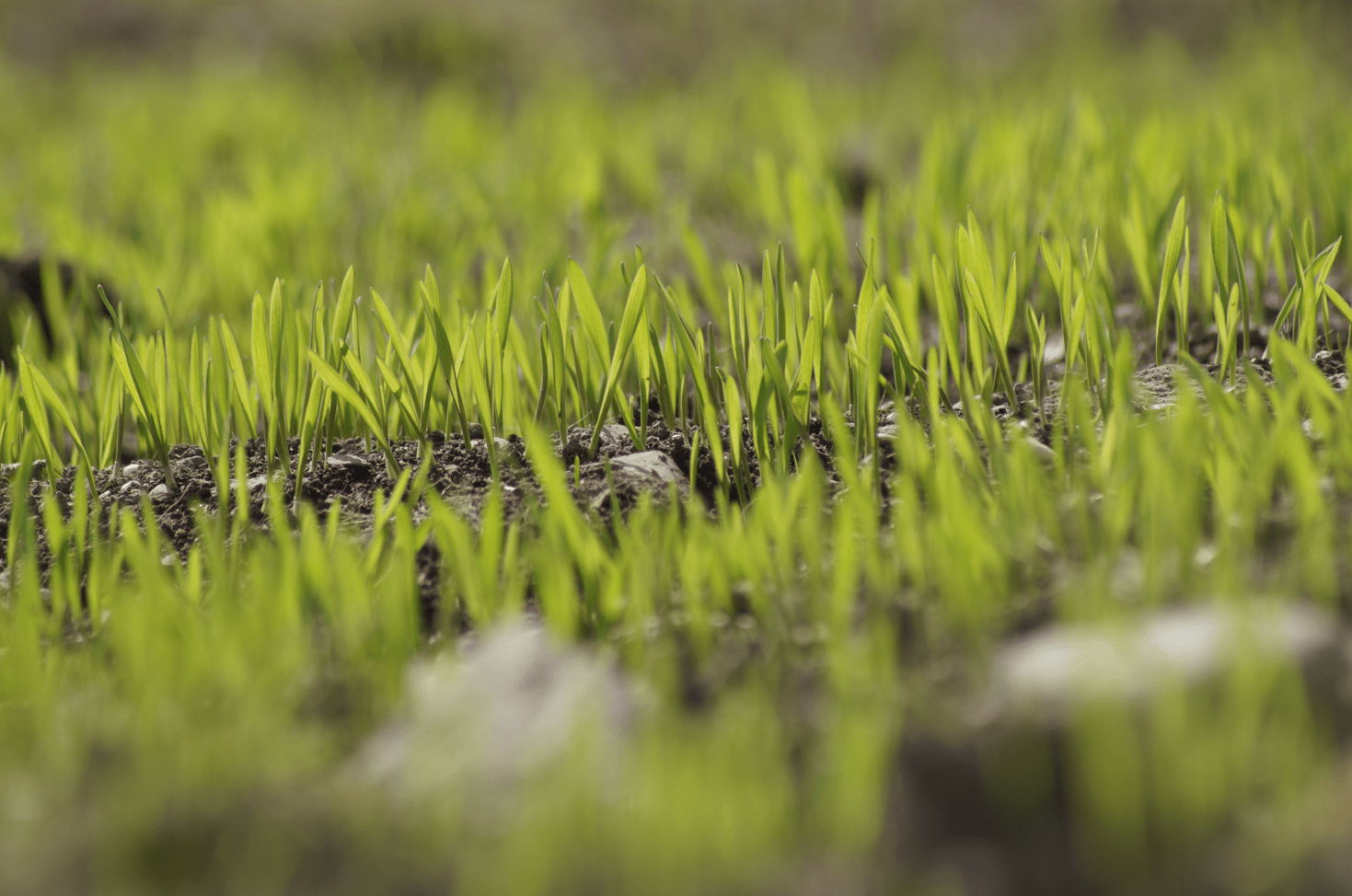
After days of secrecy, the oats came bursting out of the crumbling soil with indecent haste. The drab grey field suddenly bristled with creamy green fingers, and the contours showed in a living haze. I wallowed in the joy of it, then went inside for a coffee and an hour’s work. When I returned, I felt that the field had made tangible progress in my absence; the soil was creaking with the buzz of it.
Flocks of linnets and redpolls scoured the field when it was dry and they made off with the excess, but the soak has repelled them; the grains are changing into plants and they are no longer edible. Now the field is filled with larks and pipits, and binoculars show their beaks stacked with grubs and larvae. Noisy woodpigeons clattered in over the old stone walls, and a sparrowhawk joined them to leave the young plants in a drift of white, bleeding down.
Now I spot wrinkles and inconsistencies in the distribution of these seedlings and equate them to errors I made when spreading the seed. This small field is a trial run, and I chalk up the lessons I have learned when I roll this work out in future years. I missed some small patches and passed twice over others; the hazard of broadcasting.
There is an atmosphere of hushed excitement; the soil is rising like bread and gleaming beetles scurry across the crust. A stonechat sings from the telegraph wire and blinks a beady eye at the rush and riot of swallows below.
Now the rain has returned; an unreasonably cold wind slips between the young leaves. But the oats are unrepentant and they’re here to stay.


 Bog Myrtle & Peat
Leave a reply to Three Fields of Hay Cancel reply