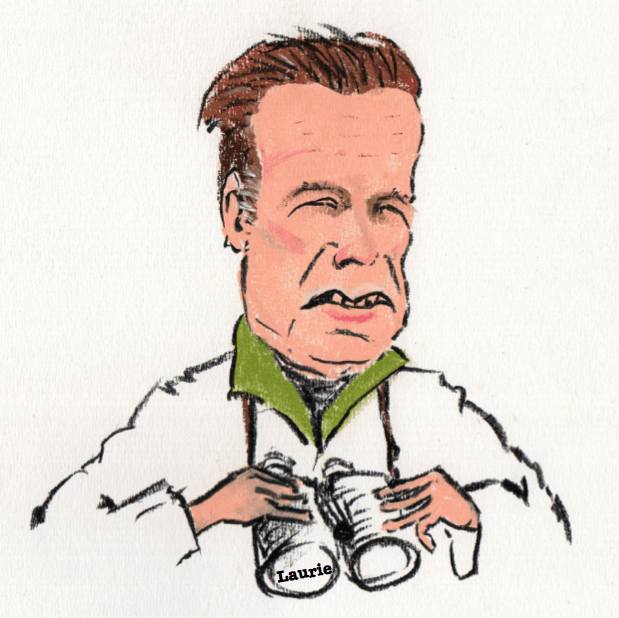
It has been interesting to observe the fall-out of Chris Packham’s recent attempt to introduce a moratorium (but really a ban) on shooting waders. Many shooting friends consider this the next major battleground for fieldsports, and it has generated some intriguing PR and research materials from shooting organisations. Looking at comments from the general public, it has been surprising how few people already knew that snipe, woodcock and golden plover are legal quarry species, and many have signed the petition simply as a knee-jerk reaction to what they consider to be a nasty surprise.
The level of ignorance was ratcheted even higher by the recent suggestion online that lapwings should also be protected from the shooter’s greedy gun, despite the fact that they already have full legal protection. This vague notion was hardened into “truth” last night by social media output from Chris Packham (tweet pictured below – N.B. 210 retweets!) which explicitly stated that lapwings are being shot and called for signatures on a petition which also calls for a wider moratorium on shooting waders. At best this is absurd ignorance, but it feels much more likely that it is a deliberate attempt to mislead the general public, and it has since been (partially) withdrawn with an odd apology.

Packham’s blunder has raised one useful point. The shooting community has been rightly appalled by the error, with many well-respected country folk coming out to declare that they deplore the very idea of killing the wondrous peewit – I absolutely share their disgust. But rewind less than a single Century and you soon find records of lapwings as a significant game species. I have some old diagrams of how to use live lapwing decoys to attract incautious birds to the gun, and the picture is not a pretty one.
English literature provides us with all kinds of evidence that man considered lapwings “fair game” throughout the ages, from the dark brutal sport of Heathcliff at Wuthering Heights to Evelyn Waugh’s simpering Sebastian Flyte in Brideshead Revisited, who consumes lapwing eggs by the dozen during long, dewy-eyed picnics in the English countryside. Contemporary wildlife legislation is arbitrary and shaped by shifting human sensibilities and baselines – if an alien were to land in rural Britain, how easy would it be to explain why we consider it laudable to kill snipe and yet damnable to kill lapwings? – in fact this is an interesting exercise, and worth trying yourself. The facts stack up in favour of the current status quo, but it’s also worth remembering that my father’s generation hunted curlews, redshank and godwits, none of which we even consider as a sporting bird today – when baselines shift as they do, who can say how future generations will view the shooting of snipe?
As it happens, shooting woodcock, snipe and golden plover is ecologically sustainable in its current form, and the work that the shooting community puts in to conserving and creating habitat for these waders more than offsets the harm caused by their harvest. But we shouldn’t be complacent about our game species, and we should always be sure that conversations about quarry species are flexible and reactive. The shooting community has set an excellent standard for self-regulation, and voluntary moratoria are a defining feature of black grouse and grey partridge conservation. If the situation changes and shooting is shown to be hounding waders into further declines, change would unquestionably come from within our own community without the need for petitions. Unwelcome as this foolishness is, it has provided food for thought.


 Bog Myrtle & Peat
Leave a reply to bitofanactor Cancel reply