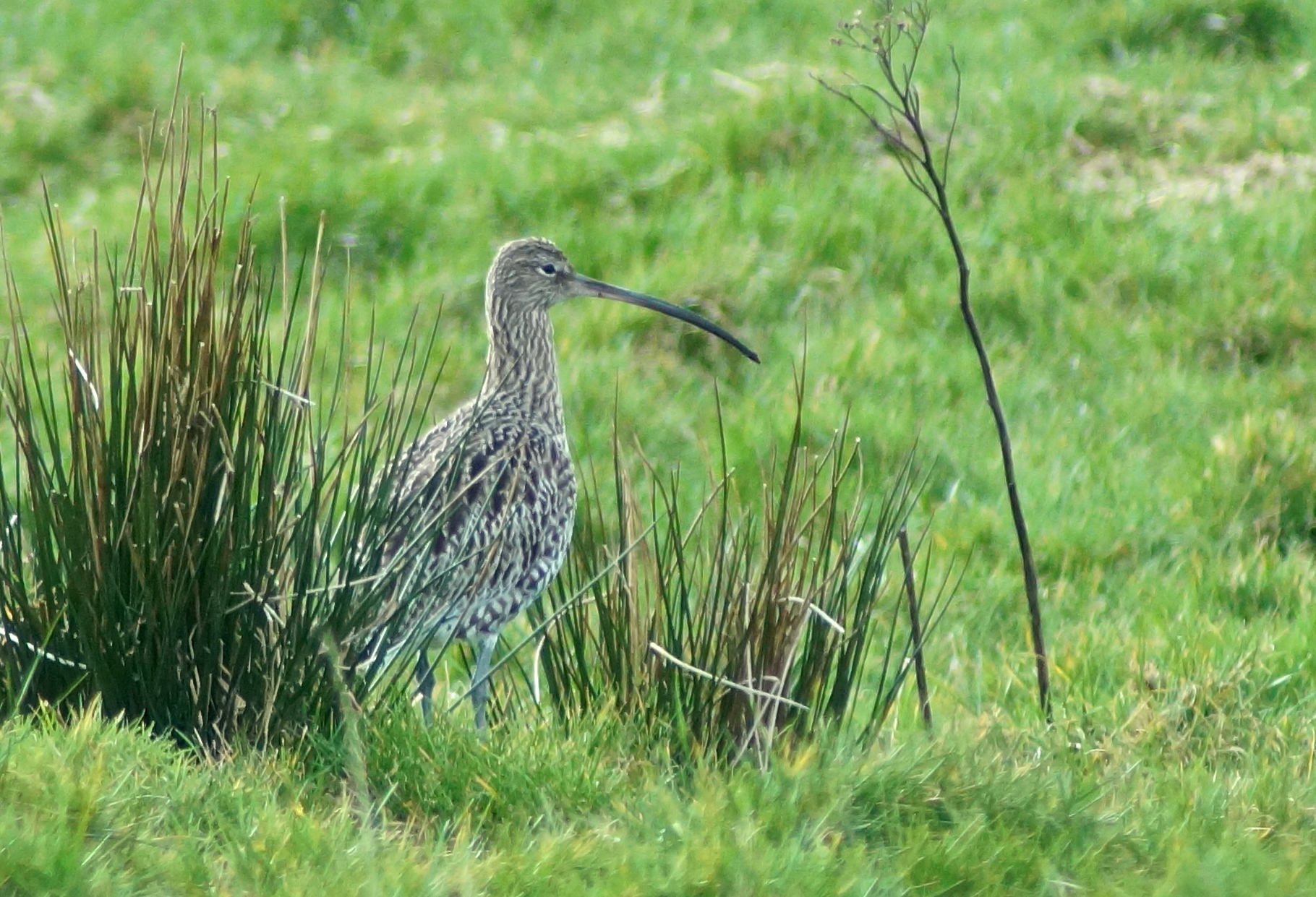
Interesting to watch the increasingly panicked press releases about the parlous condition of the breeding curlew in Britain. Sadly, the majority of visible progress made in the effort to conserve these birds over the past few years seems to have amounted to a few studies and reviews into the importance of “doing something” and “acting fast”, but little in the way of definitive, practical action.
Curlews have become the casualties of the latest round of anti-grouse shooting publicity. Studies demonstrate that curlews depend upon a rigid predator control programme if they stand a chance of breeding successfully, and you could be forgiven for thinking that this is a perfect opportunity to establish common ground between the disparate factions of shooting and birdwatching. As it, flailing, ham-fisted efforts to ban grouse shooting altogether at this crucial moment do little more than drive a wedge between two potential allies, and waders look set to fall through the gap.
Unfortunately, visions of the uplands which depend upon “rewilding”, and the natural establishment of native woodland are anathema to curlews. As it is, we have the means and the knowledge to resurrect and sustain large numbers of curlews in this country – we even have gamekeepers determined and hardworking enough to make it happen – but we choose instead to wring our hands and grimace.
The future looks bleak, and the prospect of losing these birds in the hills is extremely hard to swallow. As with black grouse, I arrived too late on the scene to see these birds at their peak in Galloway. All that remain are the stragglers – the odds and sods left in the wake of a mighty procession that was centuries long. I can only imagine how the hills must have been in my grandfather’s time, and I am pathetically grateful to these last few birds. They hold back the silence.


 Bog Myrtle & Peat
Leave a reply to rupert stutchbury Cancel reply