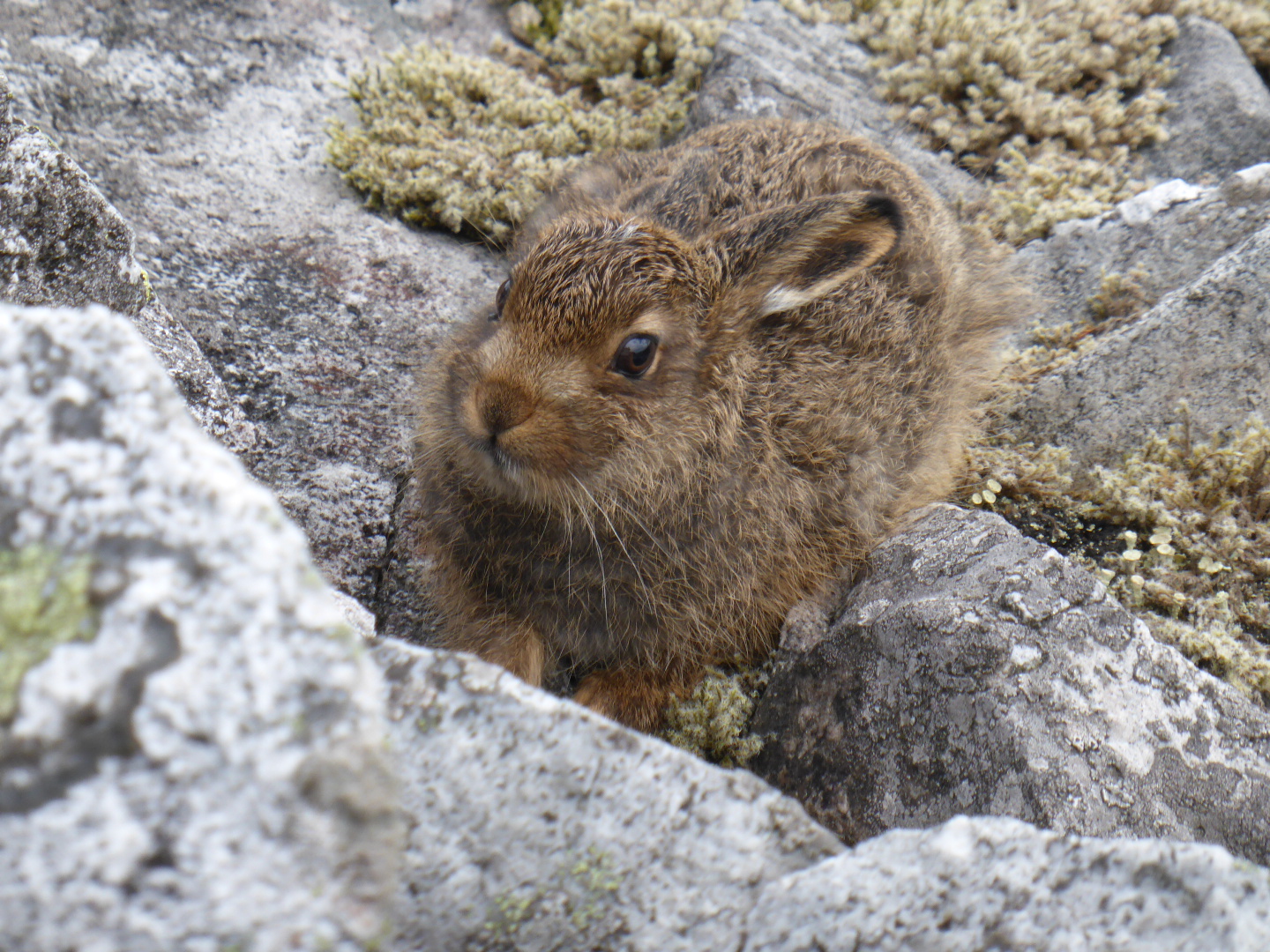
There has been some excitement in the press about a collective call from several charities and NGOs to ban the culling of mountain hares pending more research on their distribution and the efficacy of killing hares to reduce louping ill. This issue crops up now and again under various guises, usually as a veiled attempt to undermine moorland management and cause trouble for grouse shooting.
I love hares, but I also understand the importance of controlling tick-borne diseases as a means of sustaining the management that supports them. In some areas, louping ill can be so bad that grouse production would scarcely be viable, and then what would happen to the hares?
The most cataclysmic hare declines took place when grouse shooting faltered, and mountain hares simply vanished in a puff of smoke when gamekeepers were withdrawn from the Galloway Hills. In the Southern Uplands, their decline is charted alongside the arrival of mass afforestation and the destruction of the moors, with an 80% drop in hares recorded in gamebags between 1961 and 2009.
Let’s make no bones about it; withdraw predator control and heather management and hares will simply vanish.
On my family’s hill farm, white and brown hares were shot in good numbers until the First World War, after which point moorland management was abandoned and the white hares disappeared along with most of the heather. Sixty years later, the surrounding moors were planted with trees, and now we have no brown hares either. These are the real issues we have to tackle if we are genuinely interested in hare conservation. Elsewhere in Scotland where management for grouse has continued, hare numbers are strong and steadfast.
Scientifically robust research into precisely how hare culling works to control disease would be a huge asset for keepers and syndicates making decisions about management, and this should clearly be a priority in the longer term, but we shouldn’t let emotive headlines and lurid photographs distract us from the real problem.
Mountain hares are a captivating and wonderful species in their own right, but (crucially) they are part of the system. Get hares and you get a whole range of predators to eat them too. Commentators periodically bemoan the lack of eagles in Dumfries and Galloway, failing to make the connection between healthy prey and healthy predators. Rather than invest in proper habitat management in the Galloway hills to improve the ground for natural prey species like hares, foresters and raptor enthusiasts actually feed the last few eagles on dead goats and offal from an artificial feeding station, anchoring the birds in an area that simply cannot provide for them while describing themselves as conservationists.
If we filled the Galloway hills with hares, eagles would soon follow, just as surely as peregrines would resurge if grouse made a comeback. As it is, we have few hares, less grouse and our uplands seldom produce enough pipits to feed a merlin. Using elements of traditional management, we could start to see the return not only of hares but also of once common species like blackgame, ousels, harriers and all the other birds that I often have to travel miles to see.
If we are serious about making real progress with mountain hare conservation, we should focus on their staggering decline in range over the past century; in which context, culling where they are massively abundant seems rather less important.


 Bog Myrtle & Peat
Leave a reply to SteveC Cancel reply