The soil samples have produced good news and bad news. The good news is that the testing itself was not very expensive. The bad news is everything else. The field I intend to put under a black grouse friendly crop has a soil pH of 4.9 – extremely low and conducive to the growth of little more than rushes and weeds. It’s hardly a surprise then that those two plant groups are the only thing currently resident. As well as the soil acidity, NPK levels are middling to poor.
The field will need to be limed before ploughing, which adds a not inconsiderable expense to the process. A contractor is coming up to visit the farm tomorrow and I hope that his advice will take things forward to the next stage. In the meantime, I have been rectifying a fairly basic problem with the field which partly explains the low pH and NPK levels. The last time that this field was worked was by horse, so the gateway is just eight feet wide. There are few tractors capable of ploughing heavy soils with a width of less than eight feet, so today has been a rush job to get a twelve footer dug in and hung. It’s meant pulling down a few yards of dyke and burying a strainer four and a half feet into the acidic earth – quite a challenge for a limp wristed journalist.
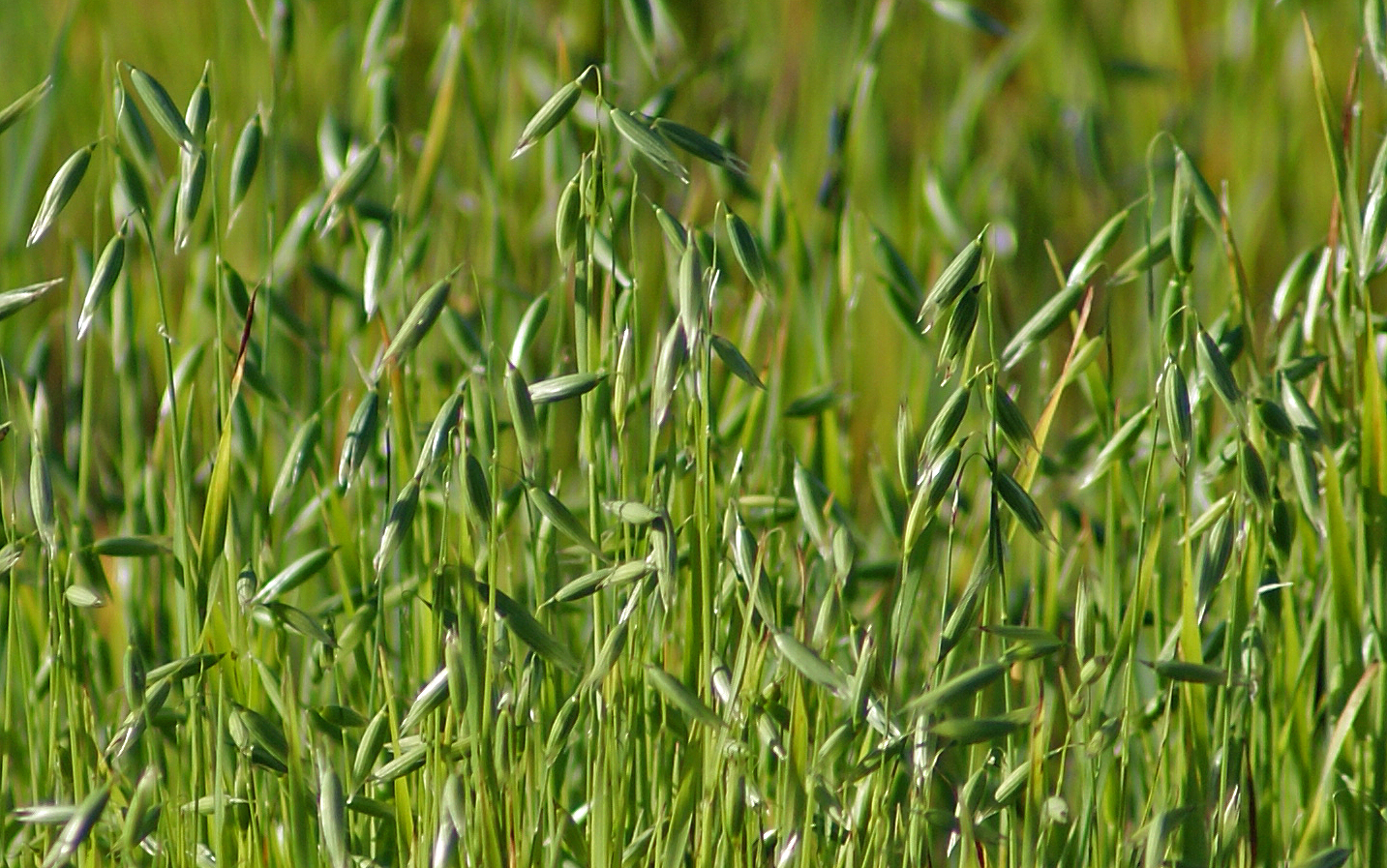
The plan will ultimately be to sow the field with a mixture of oats, kale, rape and linseed, then leave it untouched for two years and see what happens. The lime should arrive soon, and despite the fact that the soil is currently sour enough to burn the feet off a crow, things will look much brighter.


 Bog Myrtle & Peat
Leave a reply to Harrier fanatic Cancel reply