The Chayne is a wet hillside. No one has made any attempt to drain the land for the past seventy years, and now even the inbye fields are filling up with wet patches, moss and rushes. The hayfield runs with water all winter, and three or four good quality fields have become totally choked with soft rush over the past twenty five years.
In some ways, it doesn’t really matter. Black grouse like wet ground and eat seeds from rushes in the spring and summer. My blackcock spends all his time lurking around the plants on the hillside above the farm buildings, and I have seen the greyhen picking at seeds in late May. However, like so much to do with black grouse habitat, too much of anything is bad. At a rough estimate, almost one eighth of the farm’s 1,600 acres is made up of rushes, and four or five hundred acres more can be seen on neighbouring properties all around. Rushes may well be good, but there are more than enough of them around.
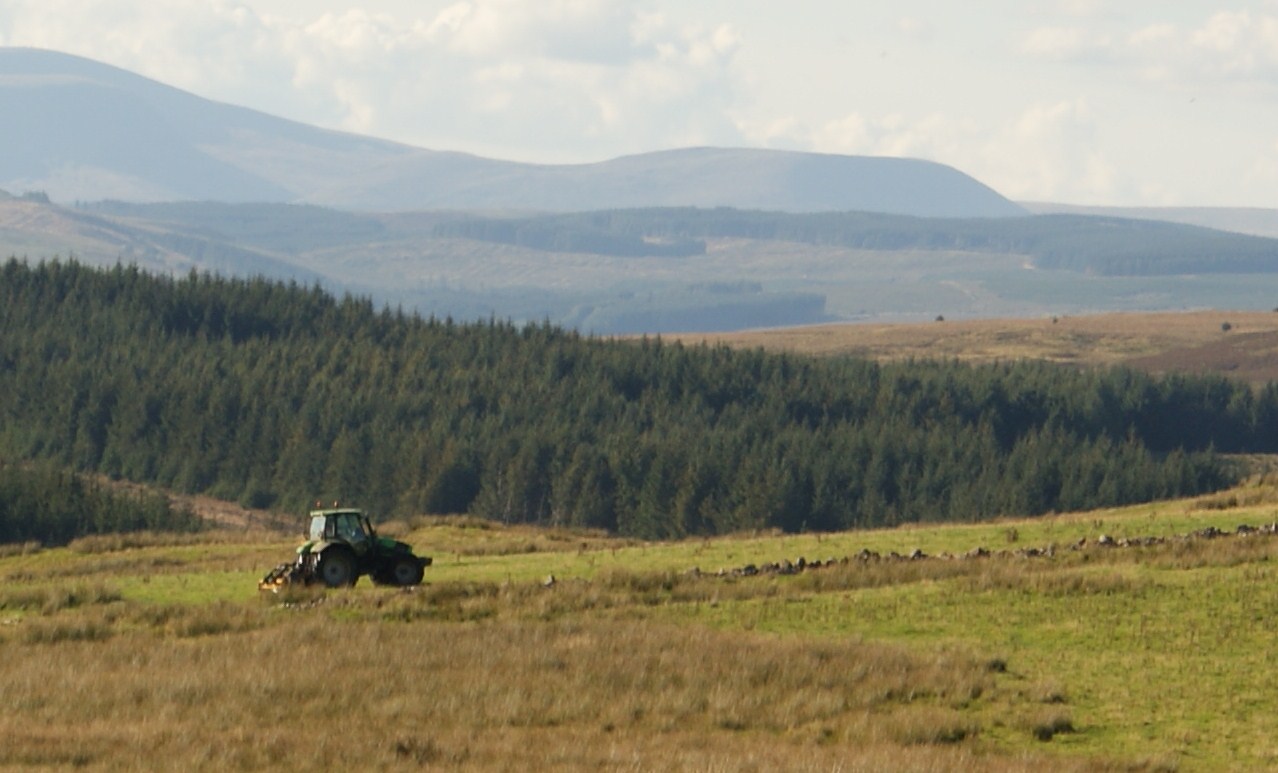
Consequently, something needs to be done about them. Each year the rushes become thicker and spread themselves even further out into the grazing pasture. Short of digging them up (as I tried and ultimately failed to do in June), the best way to deal with rushes is to mow them down. Knowing this, the tenant farmer brought in a contractor to do necessary. I haven’t yet had a chance to inspect the damage done by the whirring blades, but if it is anything like as effective as it was last year, it can only have been a good thing. This year, the blackcock did most of his lekking on last year’s mowed patches, so opening up the dense rush jungles will hopefully encourage others to do the same.


Leave a comment