As part of my work, I’ve travelled around Scotland in the first two weeks of March to meet farmers and gamekeepers involved in wader conservation. Along with a friend and colleague, we’ve been holding events to stir enthusiasm and encourage people to stick at the job, but it’s also been an opportunity to gather information from the front line and feed back case studies to civil servants and government ministers who make the weather and lay down directions of travel for conservation and land management.
Wader conservation can be desperately complicated and the problems facing birds like lapwings and curlews in Scotland seem to change between postcodes. There’s no one-size-fits-all solution to wader decline, and answers are always followed by caveats and conditions. It’s not impossible to save birds like curlews and lapwings in Scotland – but at a national level, waders are just one of many problems we’re facing. At a policy level, it turns out that they’re quite easy to ignore or overlook when tradeoffs are required.
When farmers have turned up to the meetings we’ve run in Renfrewshire, Angus, Aberdeenshire and the Borders, they’re often bearing the scars of engagement with silly stipulations and excessive bureaucracy through the government’s agri-environment proscriptions. We now have pretty good evidence to show that most of the wader-friendly options available to farmers are generally quite ineffective, and that large amounts of money have been wasted on wader conservation techniques which haven’t helped to save waders.
On one hand, it’s tempting to denounce this waste, even though the amount which reaches farmers through agri-environment schemes is pitifully tiny as a percentage of the government’s annual spend (and annual waste). On the other hand, it’s tantalising to know that many of these schemes could work if only they could have greater flexibility and a deeper level of support for education and guidance. The solution is often on the tip of our tongues, but budget administrators and IT systems simply can’t keep up.
Perhaps agri-environment payments work for some conservation outcomes, but waders are altogether too flighty for the kind of rigid assessments demanded by the current system. It’s clear that where subsidies are available for wader conservation, the best results are delivered by people who know what waders need and are able to make the proscriptions work for them. Under most other circumstances, farmers simply like the idea of doing something good – they sign up to wader conservation because it seems like a positive thing to be involved in, but many don’t really understand what waders require from farmland habitats. That’s not their fault – government schemes and NGOs have been telling them that “bird stuff” belongs to “bird people” for decades, so instead of being drawn into a wider understanding of what the wader breeding season looks like, they’re given a list of chores to do on certain dates throughout the spring – but no real explanation of why.
It’s a broken system, because waders often rely on people to go the extra mile; to think outside the box and adapt the generic into the specific. There are countless examples of farmers who used their initiative and delivered great outcomes for waders, only to be punished or penalised for deviating from the script – even when that script would have guaranteed failure. Time and again, the feedback from farmers is “tell us what waders need and we’ll figure out how to provide it” – and by the time they turn up to a meeting about wader conservation, they’re at their wits’ end.
In the meantime, the government itself seems to see no irony or contradiction in designating curlews as a priority conservation species while banning or massively inhibiting the delivery of crucial predator control that is required to save them – and simultaneously channelling vast amounts of money into woodland expansion which is almost singlehandedly driving these birds to extinction. It feels like for every one hundred pounds the government spends on supporting the destruction of wader habitats, they give back fifty pence to restore them again… and that’s in a good year. In 2025, many wader conservation projects will not even receive a single fifty pence piece.
While waders have risen up the conservation agenda over the last ten years, a backlash has emerged. There’s a feeling that curlews and lapwings now get too much attention and support; that the pendulum has swung too far in their favour and that it’s time to look at other species. It’s an odd wrinkle in conservation comms that the only way to raise your own profile is by pulling down the profiles of others. It’s complete rubbish – it would be almost reasonable to suggest that we should focus on other species if curlews were actually being rescued from oblivion… but the sad fact remains that they’re still in the pitch of a final and catastrophic decline into nonexistence. If you think that curlews get too much attention, tell that to the people who have fought tooth and nail for fifteen years to get them anywhere near the headlines – and who still have to endure the experience of perpetual decay.
Much of the criticism of wader conservation comes from rewilding organisations, some of which seem to take an actively malicious pleasure in the threat they pose to groundnesting birds. Prominent rewilding pundits regard wader conservation as a green-washing exercise for grouse moor management; they fundamentally reject the precept of active management as part of conservation, so they’re downright gleeful about the decline of curlews and lapwings. They’d argue that current collapses are just a process of rebalancing from a historically (and unnaturally) high population – they regard the loss of waders as a sign that things are going well. As if it wasn’t enough to provide education and support for people who want to do the right thing, a surprisingly large amount of the average wader conservationist’s time is spent defending the very premise that waders are worth conserving at all.
It’s now my role to annotate, process and digest dozens of conversations about wader conservation with people from across a wealth of different background across Scotland. Every single person involved in this work is desperately aware that things are unravelling for wading birds at the moment. The birds are slipping through our fingers, but instead of making progress towards recovery and restoration, every year seems to mark the intensification of problems and the enrichment of interests antithetical to wader conservation. If you love wading birds, you’ll be getting used to a feeling of entrenchment, disempowerment and loss; you’ll know how it feels to be marginalised and legislated against; to be sneered at for holding an “undue fixation” on “just one species” when all the money and resources are being poured into cool words like “ecosystem restoration”. Waders are a back-foot business; they hurt you and it only gets worse to a point at which you’re almost but never quite so badly damaged that you’d seriously think of giving up.
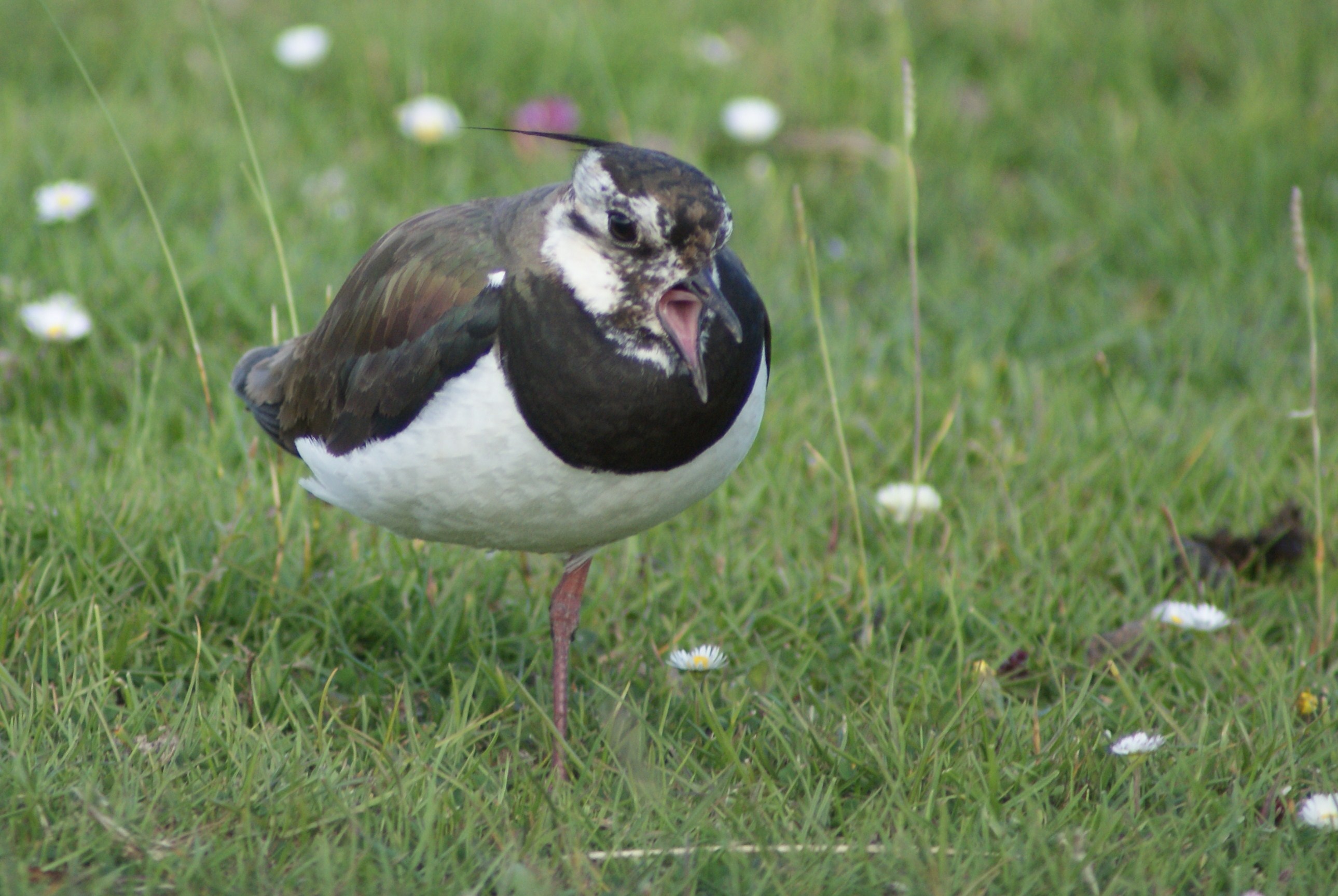
Walking with farmers through a plot of land managed for lapwings last week on the hills above Huntly, a flock of forty green-and-white birds rose up and turned downwind against a sweep of heavy red moorland. The birds called, and a few of the males dropped down from their gang to begin their displays. Skylarks sang, and the unmistakable ring of the peewee shone across the hill like sunlight. The man beside me turned and smiled with a brim of tears in his eyes, saying “is that not just the best sound in the world?” At a national level, the situation facing these birds could not be worse – and yet there are people who continue to do their best at this work, driven by nothing more substantial than love.

 Bog Myrtle & Peat
Leave a comment