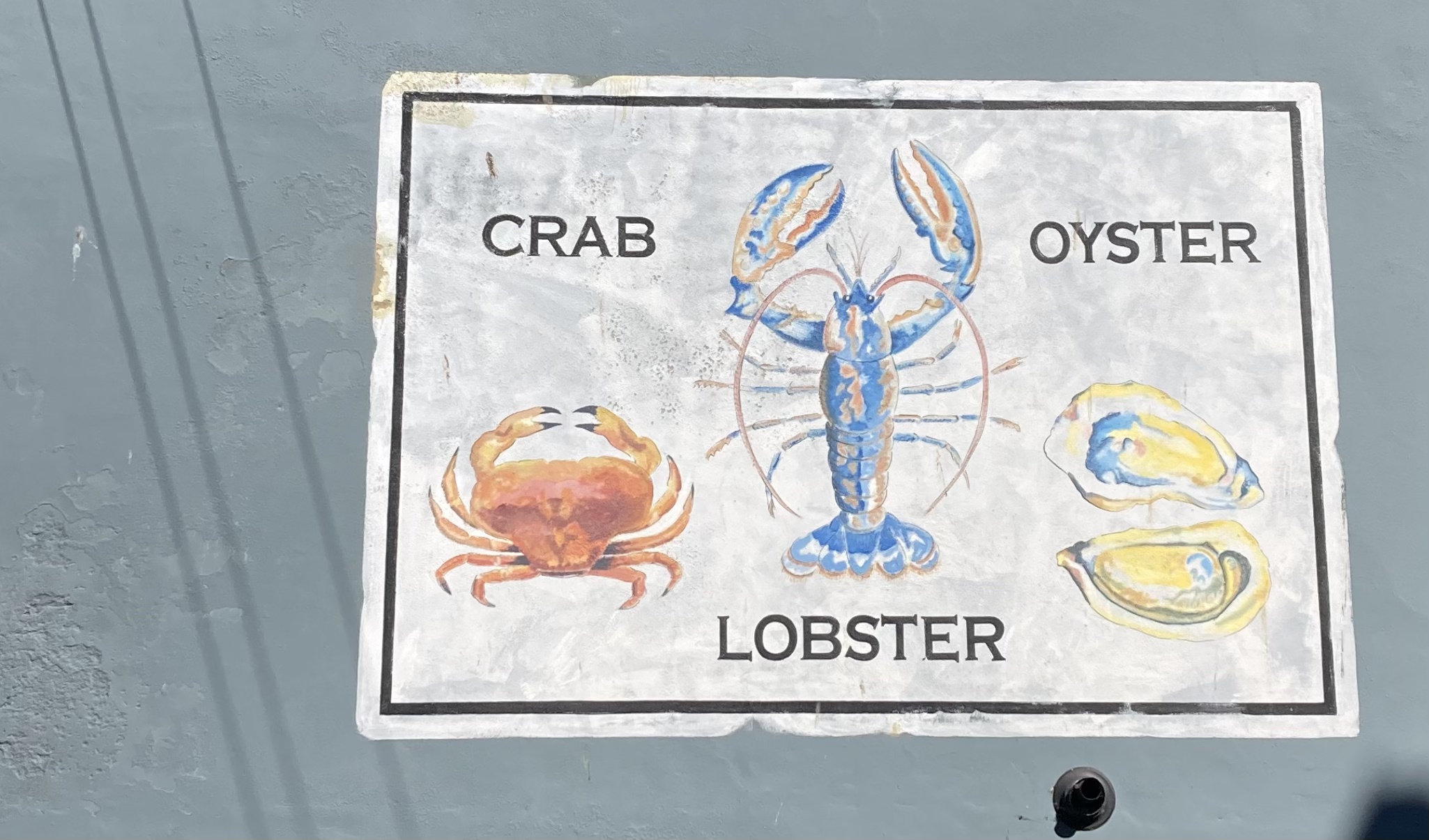
Kids drop bait for the crabs at Whitby harbour. The water’s thick and rubbery as gel, and it’s hard to see through slicks of oil and trash which float on the surface. You can’t make out what’s down at the bottom, but little polyester nets are lowered into the murk with tremendous gestures of excitement.
Sometimes there are forty youngsters who work at once along the railings, every one connected by a thread to the sea. It’s all good fun, and crabs come dumbly to the same old provocations as if they simply never learn. A pedant could walk along behind the kids and offer notes of advice – because many of these would-be fishermen are doing it wrong. They have no idea why a net which lies upside down will never catch a thing, and some are so keen to pull it up and inspect their haul that there’s simply no time for a crab to be caught. Even a tiny dash of advice could dramatically increase the numbers caught by this inshore fleet, but catching’s only half the joy and you can’t eat these little greeners anyway. The game is only gathering the biggest or the most.
Once caught, the crabs are lowered into filthy, semi-transparent buckets like dirty dishes in a sink. They shift and scowl at the upperworld, making quiet gestures of hand-to-mouth as if it might be possible to work it out – but they only have one gesture, and it reads the same in both conquest and defeat. Some will blink and thumb their noses at the gulls which walk along the wharf and prod towards these buckets. The shame of confinement is softened by a sense of security – perhaps a big crab will eat a smaller one, but it’s generally safe in captivity because gulls are frightened of loud, sporadic children. They prefer human beings to move in gliding, mapped-out movements which take them from one side of the road to the other; you know where you are with adults. The birds will look at the captured crabs, but they won’t approach small people who are not always bound to conventions of welfare and calm.
Sometimes Mum will come and stare down into the buckets, dropping cakes of fag ash onto the crabs. Perhaps a frighteningly sunburnt Dad will pull one out and waggle it towards the shyest and smallest children. Otherwise it’s warm and informative on the seaside, and maybe these crabs are used to being caught day after day in the same few metres of water. But when the chip shop beckons and the afternoon casts deep shadows across the harbour, even the most enthusiastic kids go back to their caravans. Several buckets are abandoned on the harbour’s edge, and these are easily emptied by the prowling, mad-eyed gulls. It’s “game over” for those crabs – they were never getting out alive.
But more humane and attentive kids are told to tip their catches back into the sea, and here is the truest moment of horror in the sunlit summer’s evening. Because even in the splashing moment of release, crabs can’t sink fast enough to avoid the plunging excitement of heavy gulls. They pinch and pull water over themselves in green, protective mounds, but they’re caught and gripped in beaks like pliers and torn to pieces at the very cusp of freedom.


 Bog Myrtle & Peat
Leave a comment