The skylark’s song has stopped for the year. They’ve been fading out for weeks, but now I note the sound is altogether gone. I like to record dates, and I’ve always wanted to discover the moment of the last lark as if to close the bracket on a sound which is so noisily vibrant when it begins in February. But it’s much easier to mark the first than the last, and sometimes several days will lapse before you look up wondering how long it’s been since you heard them sing. The best I’ve ever been able to do is say that they fall quiet sometime in early July, but I wouldn’t be surprised to hear a burst of old beloved larksong into August. After all, the birds themselves are still here – small gangs of larks walk around uncertainly on the sheep-thinned grass. The difference is that when you put them up or walk too close, they only chirrup or purr. And if they sing full-throated for a moment or two in August or September, it’s just a drill and nothing to be taken seriously.
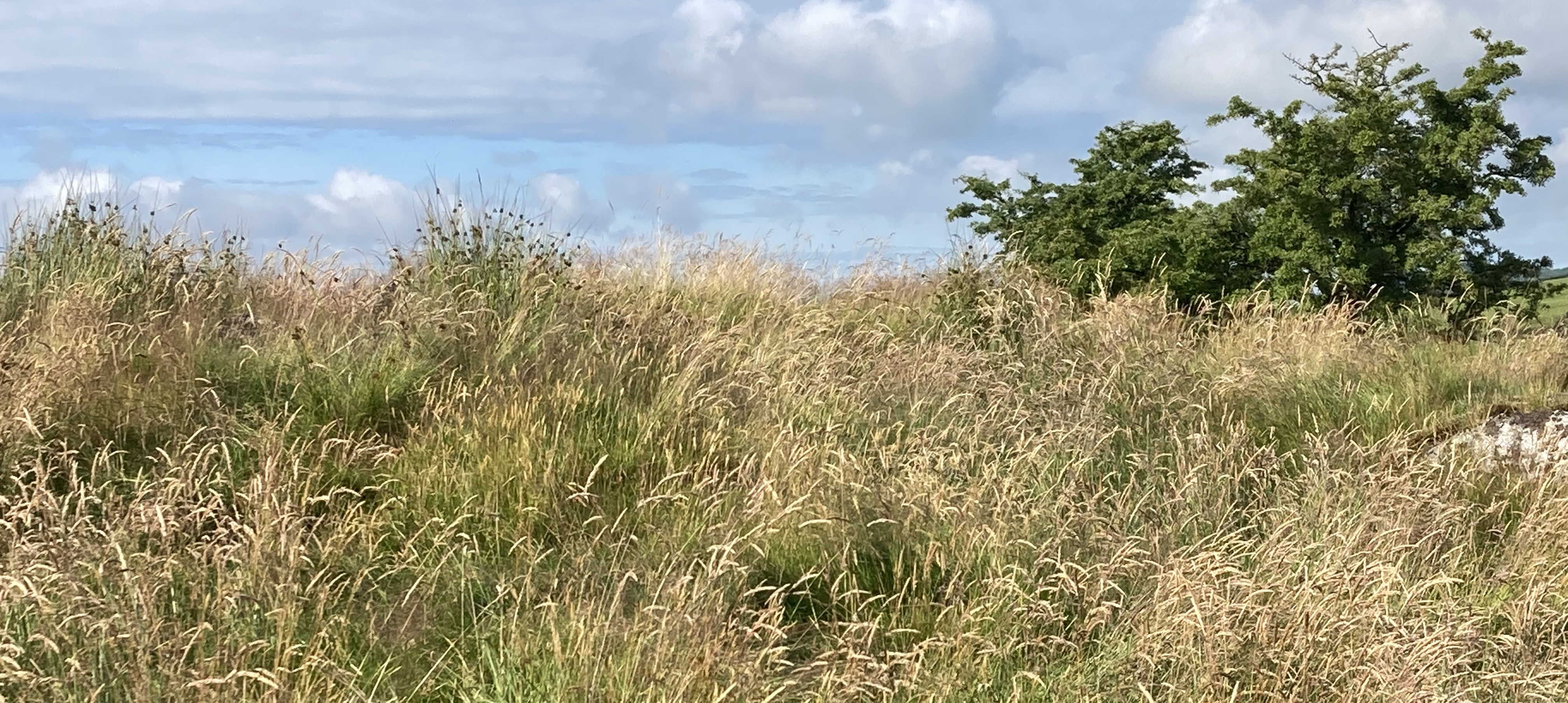
Depending on the weather, certain larks may pass through in any month of the year. They’ll turn up incognito alongside a wealth of winter buntings at the troughs, but the real songs are done for now until Valentine’s day. At the height of July, it’s easy to overlook their absence because there’s so much else to see. Fat, luxuriant teams of swallows and martins churn around the yard and scream when the magpies come; a green woodpecker has brought her crazy-eyed youngsters up from the quarry to the anthills where the hawthorns grow. On the far side of the glen, weighty palls of pigeons churn above the tented grass and the barley. The summer’s hay has lost itself in a thatch of cream and gold and washed-out hardened tan. Goldfinches and yellowhammers sift around the edges, but linnits are in it.
On the edge of harvest, the land feels busy and damp with mist and dew in the early, gurly mornings. The bracken’s hardening, and cloud snags like cast fleece on the sodden crags which stand beyond Dundrennan. And everywhere, the crisp autumnal creep of meadow pipits rings around the kail and the cows and the sunken, greasy burn. It’s no wonder the lark’s last moment often slips past unheard; there’s just too much in the world. But how I’ll miss that sound above all others when silent winter comes.

 Bog Myrtle & Peat
Leave a comment