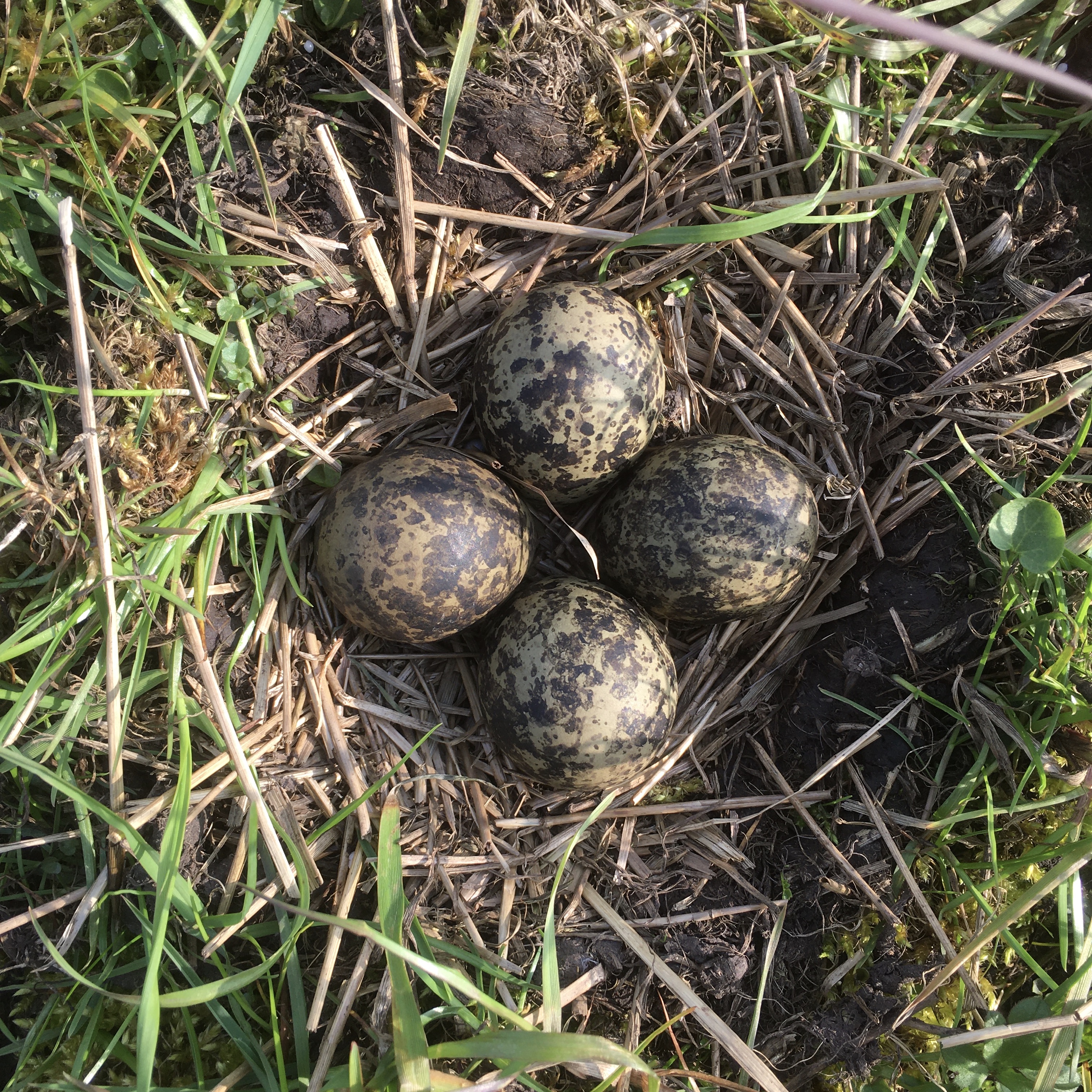
I’m a big fan of the Working for Waders project. It’s made a huge effort to encourage dialogue and promote partnership working for wading birds in Scotland, and I’m really glad to see gamekeepers and farmers taking a lead, particularly since both groups often feel marginalised and sidelined by big conservation projects.
The Working for Waders team works well together, but conscious that time is of the essence to protect wading birds, I sense an enduring criticism that the project is working too slowly. Some gamekeepers complain that it’s a waste of public money; a dereliction of duty in the face of impending disaster. Working for Waders is accused of fiddling while Rome burns, and much of this frustration settles around the issue of predator control.
Having been noisily vilified in the press for killing foxes and crows over several decades, many gamekeepers feel ravenously vindicated by recent studies which reveal that wading birds really do benefit from the management of crows and foxes. There’s a whiff of triumph in the air, and many rural voices are delighted to shout “I told you so”! Having contributed to a narrative in which predator control is “bad”, major conservation organisations are now reluctant to perform an unpopular u-turn. Some of them have started killing foxes and crows, but they’re doing it in secret. That’s really unhelpful, and in some instances it’s cynically disingenuous.
There’s a whiff of triumph in the air, and many rural voices are delighted to be able to shout “I told you so”!
But while predator control has been recognised as an important strand of wader conservation, it’s not the only tool in the box. Sensing that momentum lies in their court, some farmers and gamekeepers are going further, arguing for the control of protected species including buzzards and badgers. Not only do they want their revenge for all those years of being monstered, but they also want new powers and fresh authority to act.
I’ve killed thousands of foxes and crows over the last fifteen years. I have no doubt that predator control is a vital piece of the puzzle, but we’re still really unclear about the puzzle itself. Predators can decimate wader numbers, but their impact is magnified or reduced by the way that wader habitats are managed. Here in Galloway, badgers have completely destroyed our local lapwing population. I’m devastated by that loss and madly frustrated by the fact that legislation requires me to stand by and do nothing as badgers continue to expand their numbers. But while badgers are a problem for me, they’re not even a factor in other parts of Scotland.

At the same time, I speak to gamekeeping pals in Aberdeenshire and they’ve never even seen a badger. They’re focussed on calling for raven licences to protect waders, but I’ve never seen ravens do any harm to my curlews in fifteen years of watching them in Galloway. The picture is really varied, and it depends on where you look in Scotland. It seems wildly unlikely that a mass roll-out of raven or badger control is actually going to work for everyone. It might help in certain situations here and there, but it’s also worth looking at some of the practicalities involved.
Even in hypothetical terms, driving a meaningful reduction of badger or raven numbers would be a big piece of work. Gamekeepers are famously busy – how are they going to deliver it alongside everything else they already do?What about land where there are no gamekeepers? How do we start to re-engage farmers with some of the basic principles of wildlife management? Besides, on a bigger scale, it’s easy to forget the damning reality that most people in this country don’t even know what a lapwing is. By squabbling over technical details around predator control, we make the whole discussion seem like it’s niche and irrelevant to the general public. That would be a disastrous outcome – waders are a profoundly valuable strand of our national culture and heritage; they’re relevant to everybody in Scotland.
“Change will come too slowly to save most wading birds in Scotland“
Having established the facts about wader conservation, it’s clear that an enthusiastic group of land managers want to act. They’re sick of waiting for science to catch up with common sense, and it’s obvious that they’re cross. I’m afraid I have to meet that frustration with a simple and bitterly-won truth; change will come too slowly to save most wading birds in Scotland. Things will continue to get a lot worse before the declines even begin to slow down. That is where we are, and it’s a fact. Working for Waders is moving in the right direction, but we have a long journey ahead of us.
It’s taken a long time for this to sink in with me, but I think it’s an important point. Wader conservation is no longer about your birds or mine. We’re now talking about whether or not it’s possible to keep any waders in Scotland, full-stop. Let’s make no bones about that.
I still believe that my work to protect curlews in Galloway is valuable. There’s no giving up – I’m learning useful things which contribute to wider discussions about conservation more generally, but I know I’m fighting a losing battle here. When I make decisions about managing my cattle and running the farm, it’s no longer with any real degree of hope or optimism for my birds in their own right. I have to focus on building a case; developing stories and encouraging people to learn more about land management. That is the most constructive way for me to expend my energy. I’m doing everything I can, and I hope you are too.

 Bog Myrtle & Peat
Leave a comment