Home, 14/3/20
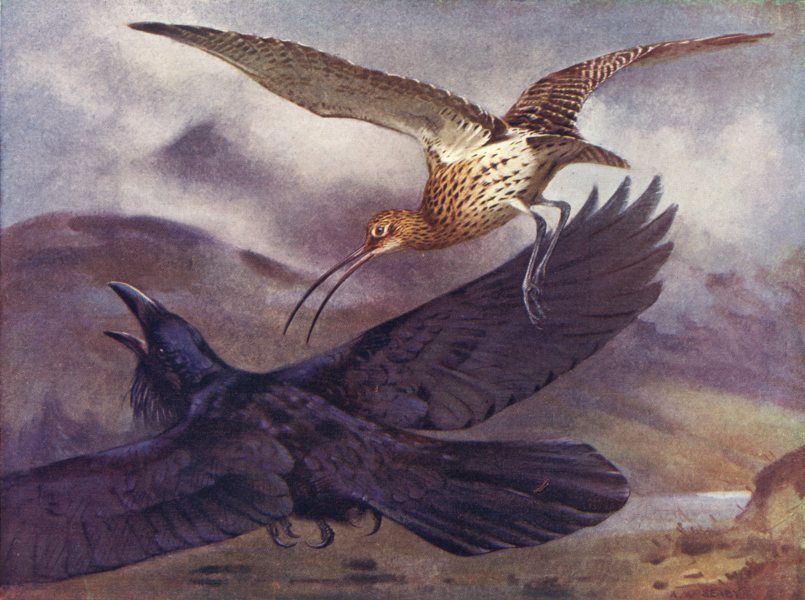
A battle plays out each year for a prime nesting spot in a scots pine tree above the pig pen. Kestrels fight jackdaws, and carrion crows usually scoop the pool and build their raggedy bowl in the needletops. This year, the same old confrontation has been blown out of the water by the arrival of two ravens. They have decided that the tree is theirs and theirs alone, and there has been no contest. So now I can lie in bed and watch them tumbling through the red twigs, hanging in the wind like newly blued barrels.
Ten days ago, in passing back and forth between my office and the house, I happened to spy a fox hunting through the moss and the lark-litter. It was the work of five minutes to fetch the rifle, and soon he was dead on his back. The corpse lay unspoiled for a week, then it was wholly devoured by these new ravens. I went to see the wreckage and found only a streak of fur fabric and a gummy darkness in the grass. Later, I came upon a shoulder blade on the dyke where it had been carried and turned and abandoned in the wind. Slim pickings, and a reminder that only ravens and eagles will try for fox flesh.
I see the best and worst of ravens. I love them for their bellyroll and cronk, then cringe to find them in the lambing fields or hunting out across waderlands. An old and complex dynamic lies between us, both foul and familiar. And it’s an odd wrinkle that as ravens expand, they seem to suppress their lesser cousins. Crows are exiled, and magpies flee. In many ways, my work on the crow traps will soon be done for me as ravens drive the corbies away, just as the goshawks did along part of the forest edge a decade ago. But it remains to be seen whether the impact of two ravens is more or less than a dozen crows, and whether the new world order is better or worse.


 Bog Myrtle & Peat
Leave a comment