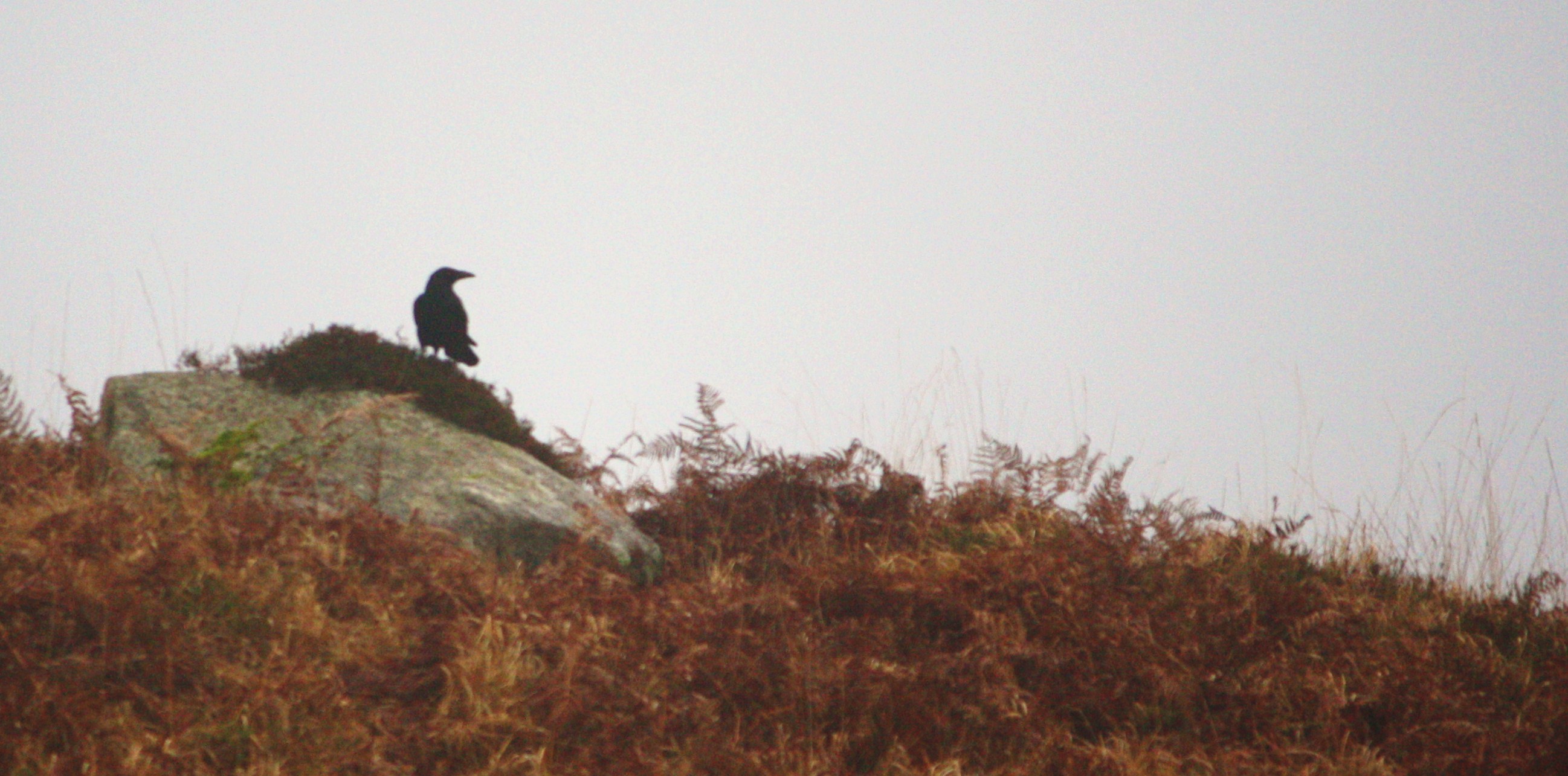
After a long, busy spring, I headed out a few nights ago and drew my crow trapping to an end for the year. It has been a particularly demanding slog in 2015 because I now live further away from the Chayne, and the long pilgrimage around my traps became longer and longer as the weeks went by. During the course of this spring, I’ve accounted for fourteen crows and made a noticeable dent in the local population at a key moment when the grouse and wader eggs were at their most vulnerable.
Perhaps a few readers would consider fourteen crows a relatively poor haul for such an expenditure of time and effort, but this is hill ground and the total is more or less consistent with previous years. Besides, I’m convinced that the benefit of trapping is generally less quantifiable than the number of crows actually caught.
Having run crow traps for fifteen years, I’m sure that they provide a great distraction at a risky time of day when gamebirds come off their nests to drop their clockers and grab a crop-full of food. Crows which would otherwise be hunting for these tell-tale hen birds find that their attention is held by shouting and dancing around the traps when they might otherwise be causing harm; sit out at first light near a larsen trap and you soon see what I mean. You may not trap some of these cautious customers, but generating a stressful, clamorous distraction for them is not a bad second-best.
It was interesting to read Mike Swan writing about ravens in the Shooting Times recently, particularly in relation to their potential to suppress crow numbers. Over the past six years I have seen more and more ravens on my ground, and whereas before there were no breeding birds, there are now three nests on the hill. In the same timeframe, breeding crow numbers have declined slightly, and the number of non-territorial crows has fallen through the floor. The ravens simply won’t tolerate these vagrant youngsters, and it is a fine sight to watch them all tumbling together in spectacular combat.
I can’t help weighing up the pros and cons of this change. Ravens seem to occupy larger territories than crows, so the total number of egg-thieves would be reduced in a world where ravens dominated. But at the same time, ravens will take more than just eggs, and the period during which grouse and waders are vulnerable to ravens is much longer than the time during which they might fall foul of crows. A keeper pal in Perthshire watched a gang of young ravens carrying off an entire brood of young blackgame during the course of last summer, and this was at a stage when they were too big to offer a crow a chance. The greyhen did her best, but she was forced to look on as her youngsters were snatched away one by one.
Although it doesn’t happen quite so dramatically in south west Scotland, friends in the Highlands have seen huge flocks of ravens sweeping the hills in July, destroying carefully tended broods of plover and grouse in just a few moments. These flocks range over enormous areas and potentially pose a serious problem for game and wild birds. Knowing what these flocks can do, I’m inclined to think that if it came to choosing crows or ravens, I’d be happier with the devil I know.


 Bog Myrtle & Peat
Leave a comment