Your comments about traps becoming more conspicuous is perfectly right – they are, but I don’t think that this has to do with increased predator numbers (although in some areas, predators have increased).
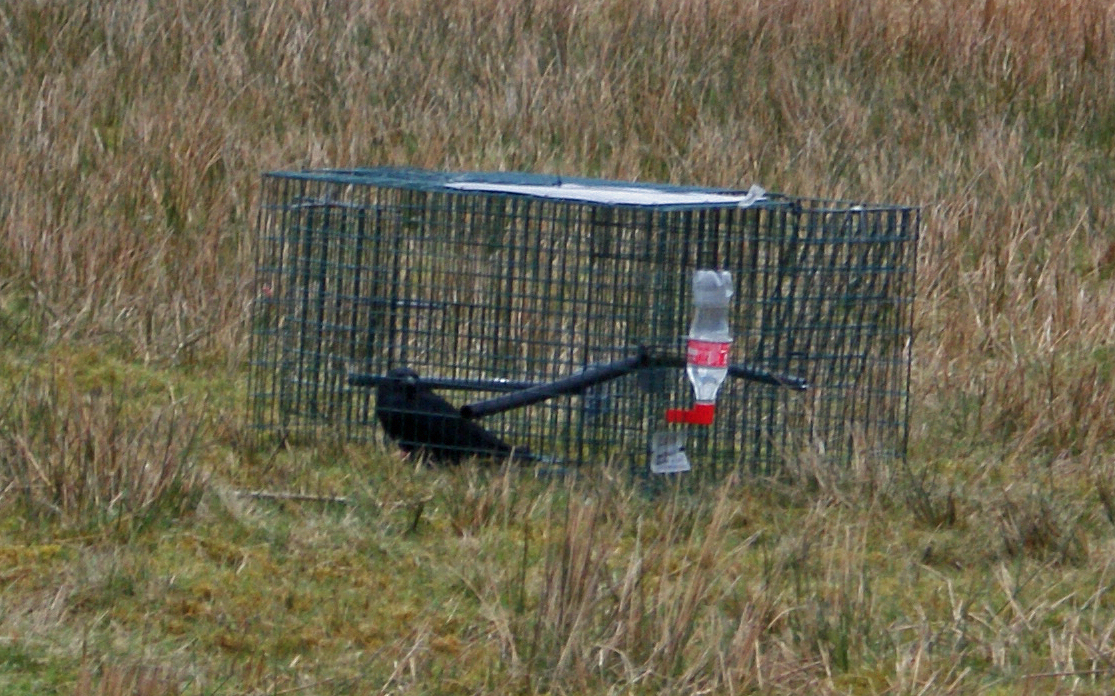
Larsen traps only came to Britain in the late 1980s and took some time to get established as a pest control tool. They have reached their current popularity only in the past decade, so perhaps this is why you see them now more than you used to. Unfortunately, crows do get used to them and learn to avoid them after a while, so new traps are always being designed to keep one step ahead. You may see more different types of larsen as time goes by, but they will probably depend on the same “call-bird” blueprint. As a reflection of this, the traps are now recognised by the law as “larsen or larsen-type” traps, rather than just larsens.
With Fenn traps, I think that the numbers used are more or less similar, but they are now set differently, often in more conspicuous places than previously. Placing traps on bridges over streams or building them in to dykes has become fashionable recently, partly because these are good places to catch, but also because they can be checked quickly and easily from a distance. The old trap sites were almost exclusively buried in tunnels under sods, and keepers of the old school were taught that traps should never be visible to human beings.
In some areas, pest control activity has intensified, but I don’t think that it has across the board – there are just different techniques coming in and out of fashion. Perhaps the shooting community is more confident than it was 10 years ago. When I first started keepering in 2003, traps were always put out of site because there was a risk that passers-by would break them or release call birds from larsens if they were too conspicuous. There has been a lot of hard work put into educating the public on the value of predator control, and I for one certainly feel less secretive about trapping that I did ten years ago. Traps are still damaged or broken (although not with me, fortunately), but this is more from hard-core animal rights folk who don’t care why predator control is undertaken and are simply reacting to the immediate emotions they feel when they find a trap.

 Bog Myrtle & Peat
Leave a comment