
During an aborted attempt to climb Cairnsmore of Fleet this afternoon, it became horribly apparent just how badly damaged Galloway’s larch plantations have been by the much talked of Phytophthora ramorum. Although driving rain forced us to abandon the walk in from Clatteringshaws, there were some gaps through the cloud to look north and west from the steep face of Millfore onto extensive stands of dead and dying timber. Back down by the goat park, where the inmates feign captivity and gloatingly feast on the donations palmed to them by idle tourists, it seemed that every gateway and stile was festooned with precautionary (and somewhat patronising) signage drawing the general public’s attention to the danger of transferring Phytophthora to other larches. I may just be cynical, but I was quite impressed to see a microscopic spore rendered as a cartoon character.
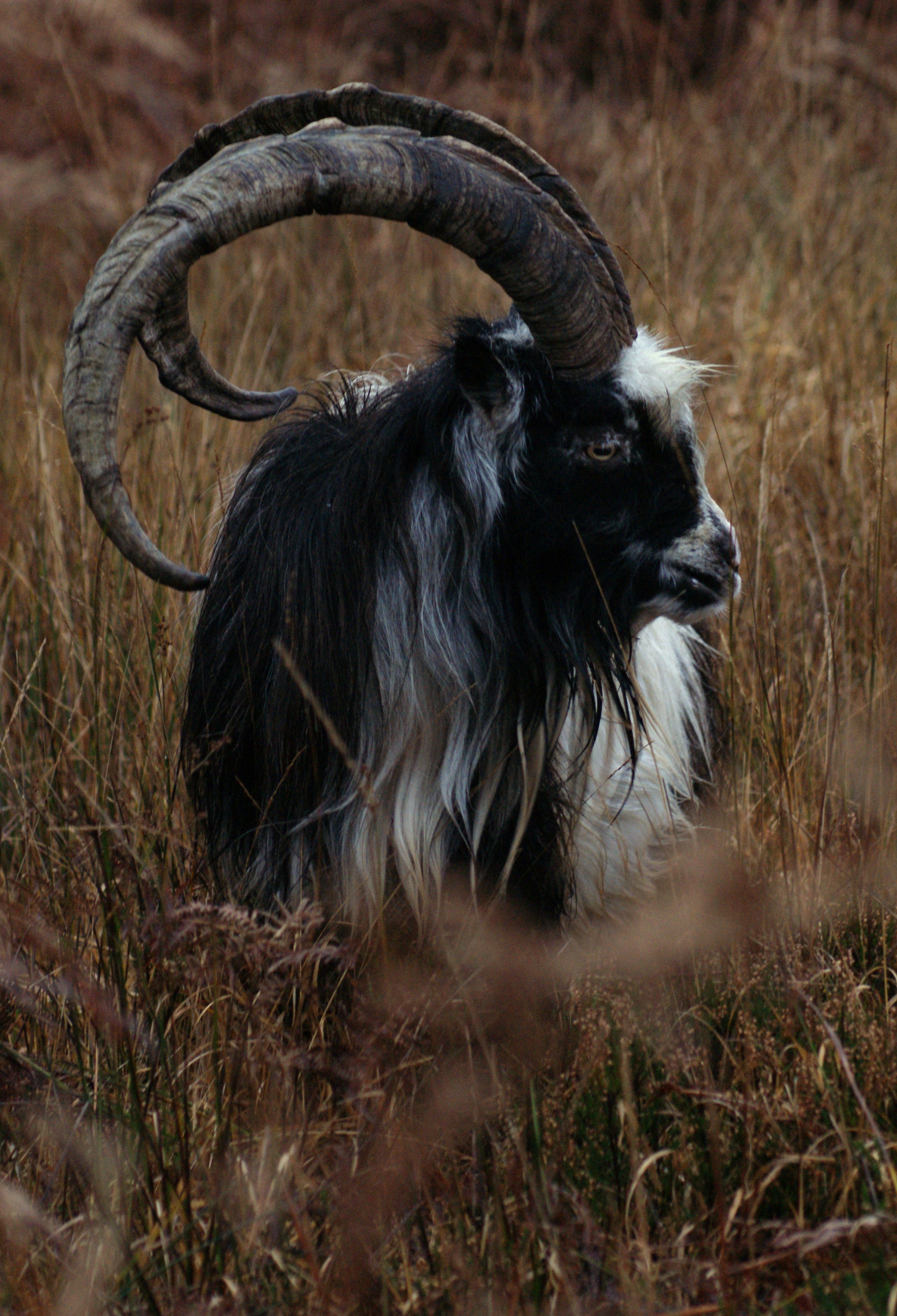
As usual, the goats themselves were in evidence by the side of the road, laughing unpleasantly and casting a sour odour over the soaking valley. Seeing goats from a great distance last week on the back of Corserine, I was taken by the romantic appeal that these roguish characters seem to exude amongst the dripping rusty bracken. Coming eye to eye with them next to a hay heck was a very different experience, and it was almost a shame to see them nuzzle and beg for scraps of food, dragging them back to their “feral” status when elsewhere they seem to come so close to being truly wild. Far better that they should be out in the wild open country, where, aside from anything else, nobody can smell them.

 Bog Myrtle & Peat
Leave a comment