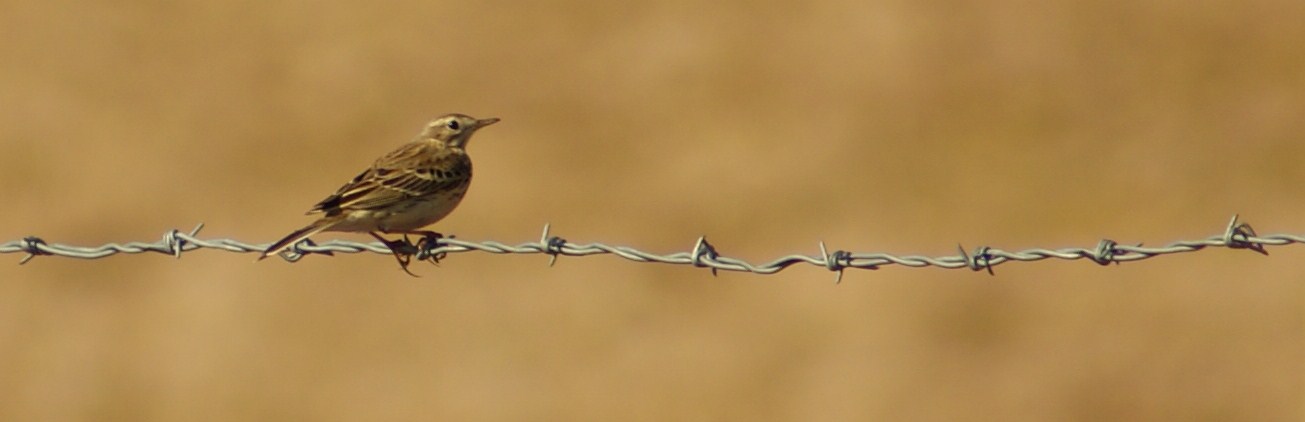
Although I should have marked a formal date for the start of my bird survey in March last year, I think that seeing the 56th bird species on the Chayne this morning marks a full year. Winding down the window in the partial darkness shortly before seven o’clock this morning, I saw a crossbill drinking from a puddle on an old sheep track.
It is generally an unpleasant business to provide lists of birds – it strays a little too far into the realm of “twitching” for my tastes, but I thought it would be useful to keep an eye on what was already present so that I could compare it as my predator control and habitat management regimes begin to kick in.
The following birds were observed on the Chayne over the past 12 months, either passing through, feeding or breeding as the seasons dictated:
Game birds (7): Red grouse, black grouse, pheasant, red-legged partridge, snipe, woodcock & golden plover.
Waders (3): Curlew, lapwing & oystercatcher.
Vermin (6): Carrion crow, rook, jackdaw, woodpigeon, greater black backed gull & lesser black backed gull.
Raptors (8): Barn owl, tawny owl, buzzard, red kite, hen harrier, kestrel, merlin & peregrine falcon.
Songbirds (25): Blue tit, bullfinch, chaffinch, chiffchaff, crossbill, dunnock, fieldfare, goldfinch, great tit, greenfinch, grey wagtail, meally redpoll, linnet, meadow pipit, mistle thrush, pied wagtail, redwing, robin, skylark, starling, stonechat, swallow, wheatear, wren & yellow wagtail.
Others (7): Black headed gull, cuckoo, greater spotted woodpecker, grey heron, greylag goose, raven & stock dove.
I’m not sure if 56 is a good count for 1,600 acres of mixed farm and moorland, but given that I know of a few bird species I’d like to see on the hill which are currently absent, there is clearly room for improvement. I saw a single short eared owl before starting the survey and I would love to have more. Dippers should also be playing a significant part in the farm, but I have never seen one on the Chayne.

 Bog Myrtle & Peat
Leave a comment