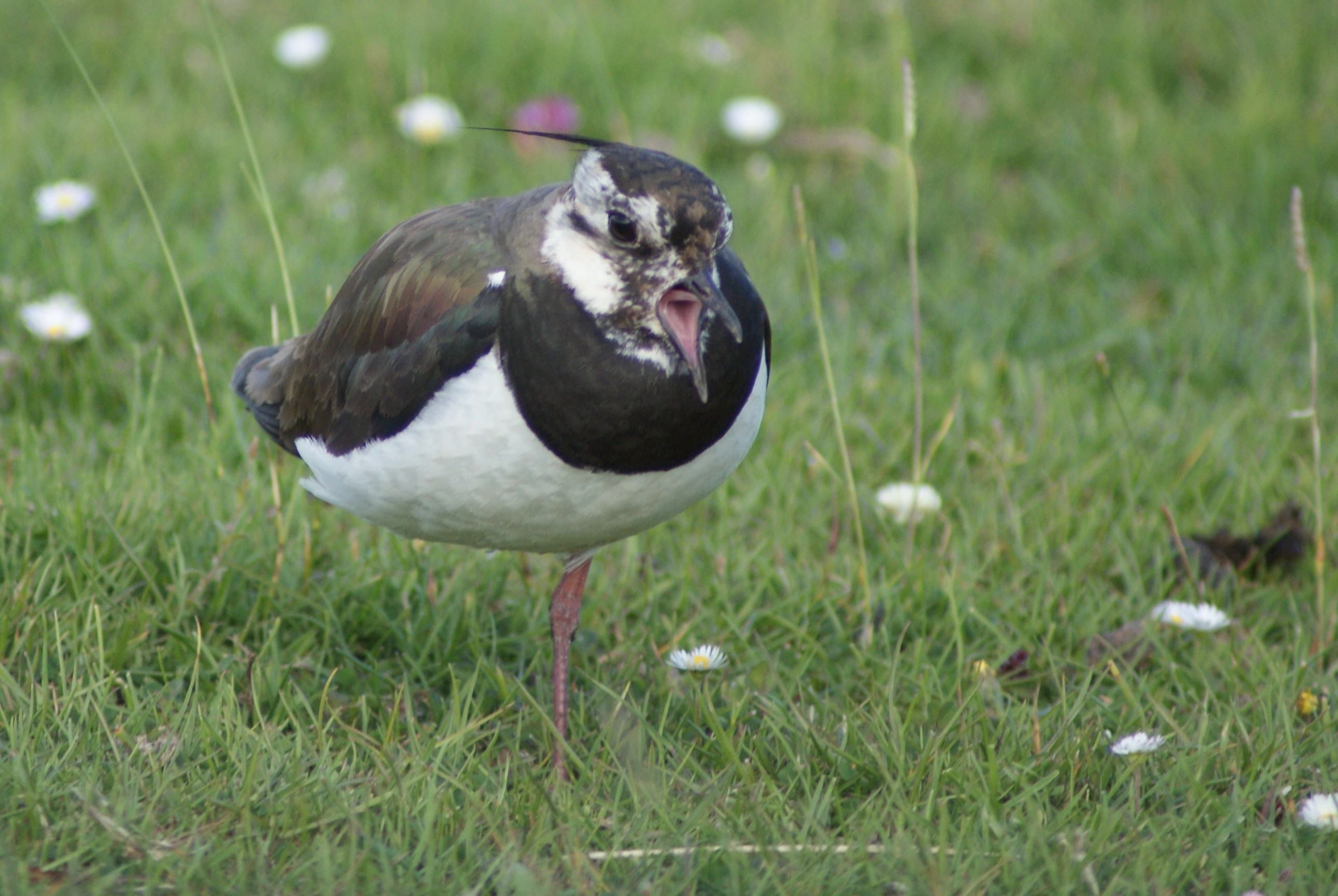
I have spent the past month researching for a book about black grouse, and having heard great things about the GWCT’s work in the North Pennines, I headed over for a look. The Weardale and Teesside beagle pack came over to the Chayne earlier in the spring, but paying them a return visit was a real eye opener. The road southeast from Carlisle gathers you up into the Pennines, a low rolling mass of hills striped with muirburn and studded with butts. This is real grouse country, and a single red grouse cock eyed the car curiously from the roadside. It became obvious after a few miles that I hadn’t seen a crow for miles, and the meadows were literally teeming with curlews and lapwings. What a difference good ‘keepering makes…
I had travelled to meet Dr. Phil Warren, the GWCT’s project manager for the North Pennines, and after an increasingly frustrating search, I found him. The GWCT’s office is poised above the road in about as remote a spot as it is possible to imagine, with views across Teesdale and over to more carefully managed heather banks on the south side of the valley.
Dr. Warren and I chatted for an hour or so, and he set me straight on a number of problems which I have been struggling with over the past few weeks. He also very kindly offered some tremendous advice for black grouse management on the Chayne, which, once I can afford it, I will certainly be pushing ahead with. As I left, he suggested a few spots where black grouse might be reliably seen, and I set off up the road with my eyes roving through the white grass on either side of the road.
I had been directed past the biggest lekking ground in the county, and although it was empty as I drove by, I found it hard to imagine that as many as 25 cock birds were seen on the site last spring. Dr. Warren had explained how badly the black grouse had suffered during the hard winter, and I was appalled to hear that more than half of the birds had died off in the cold. Interestingly, the majority of dead birds were found to have met their ends in areas of exposed hillside, whereas those with access to trees and cover fared much better.
It was a stunning afternoon, and the clouds raced overhead as I came to the top of Teesdale and dropped down into Weardale. A single greyhen watched the car from a distant bog, but she was far too far away to photograph. Later, I watched a blackcock striding through the cotton grass and duck down into a peat hagg. It’s hard to watch black grouse at this time of the year, but the fact that I had seen two in just twenty minutes was certainly respectable.
I left the North Pennines with all sorts of ideas for the Chayne and for the book, but my most lasting impression was the sheer abundance of groundnesting birds of all species. In an environment where foxes and crows are contained by an army of gamekeepers, there is absolutely no doubt that biodiversity benefits. The next step is recreating that on the Chayne.

 Bog Myrtle & Peat
Leave a comment